Learning to drive a commercial truck requires a combination of technical knowledge, practical experience, situational awareness, and confident decision-making. We recognize that today’s training methods must prepare students for complex road conditions while giving them opportunities to develop essential skills in a structured environment. How do truck driving simulators support modern driver education?
Our training perspective shows how simulation technology can complement classroom learning and behind-the-wheel instruction by providing realistic practice, immediate feedback, and exposure to challenging driving scenarios before students encounter them on the road.
How Do Truck Driving Simulators Support Modern Driver Education?
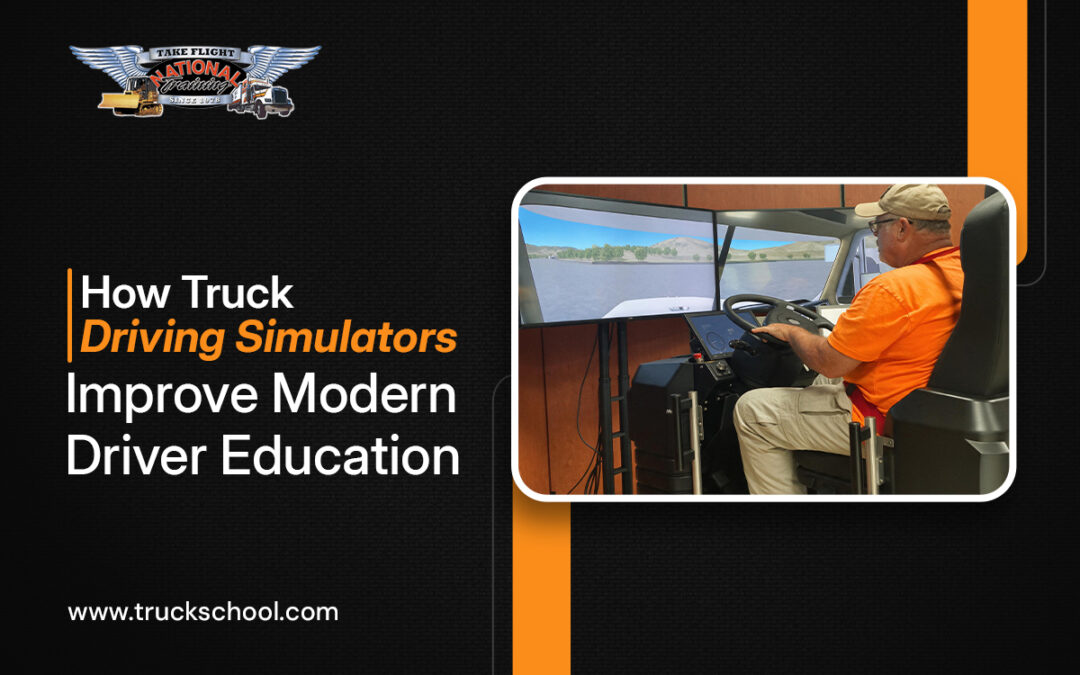
Truck driving simulators support modern driver education by allowing students to practice vehicle operation, decision-making, and responses to challenging driving situations in a controlled learning environment.
Simulations can introduce scenarios that may be difficult or impractical to reproduce consistently during regular driving lessons. Students can encounter changing traffic patterns, difficult weather conditions, roadway hazards, and other situations while instructors observe their responses and provide targeted feedback.
Rather than replacing actual truck driving experience, simulation can help prepare students to make better use of their time behind the wheel.
Building Familiarity With Commercial Vehicle Operations
Commercial trucks require drivers to manage multiple tasks simultaneously. Students must monitor mirrors, maintain appropriate following distances, understand vehicle positioning, anticipate traffic movement, and remain aware of the truck’s size and operating characteristics.
A truck driving simulator allows students to become familiar with these responsibilities before applying them in real traffic. Repeated practice can reinforce procedures and help students understand how individual driving decisions affect overall vehicle control.
Practicing Challenging Driving Scenarios
One significant advantage of simulation-based truck driver training is the ability to introduce demanding scenarios within a controlled setting. Depending on the simulator and curriculum, students may practice responding to reduced visibility, sudden traffic changes, roadway hazards, or difficult driving conditions.
These exercises allow instructors to discuss what happened, identify areas for improvement, and repeat scenarios when additional practice is useful. This combination of practice and feedback can strengthen situational awareness and decision-making.
Supporting Classroom and Behind the Wheel Training
Modern commercial driver education typically involves several forms of instruction. Classroom learning can establish important concepts, while practical driving experience allows students to apply those concepts in an actual commercial vehicle.
Truck driving simulators can help connect these stages of education. A student might learn a procedure during classroom instruction, practice related decisions through simulation, and later apply that knowledge during behind-the-wheel training.
This integrated approach helps create a more complete learning experience rather than treating each part of driver education as an isolated activity.
Preparing Students for Real World Responsibilities
Professional truck drivers need technical skills, awareness, patience, and the ability to make appropriate decisions under changing conditions. Simulator training can help students examine situations, recognize potential hazards, and understand the consequences of different choices without creating unnecessary roadway risk during learning.
The goal is not simply to become comfortable with simulation technology. The value comes from using simulation purposefully as part of a broader commercial driver training program that includes instruction and practical experience.
Take the Next Step Toward Professional Driver Training
We understand that choosing the right truck driver education program is an important step toward preparing for a commercial driving career. Our training approach helps students build knowledge and practical skills through structured instruction designed for the demands of professional driving.
Learn more about the applicable truck driving training program or request additional information today.
Speak with admissions or schedule a campus visit to explore your training options.
Frequently Asked Questions
What can students practice with a truck-driving simulator?
Students can practice vehicle awareness, hazard recognition, decision making, traffic situations, and responses to challenging driving conditions in a controlled instructional environment.
Why are simulators useful for new truck driving students?
Simulators allow new students to practice procedures repeatedly, receive instructor feedback, and become familiar with challenging scenarios before encountering similar situations on public roads.
