
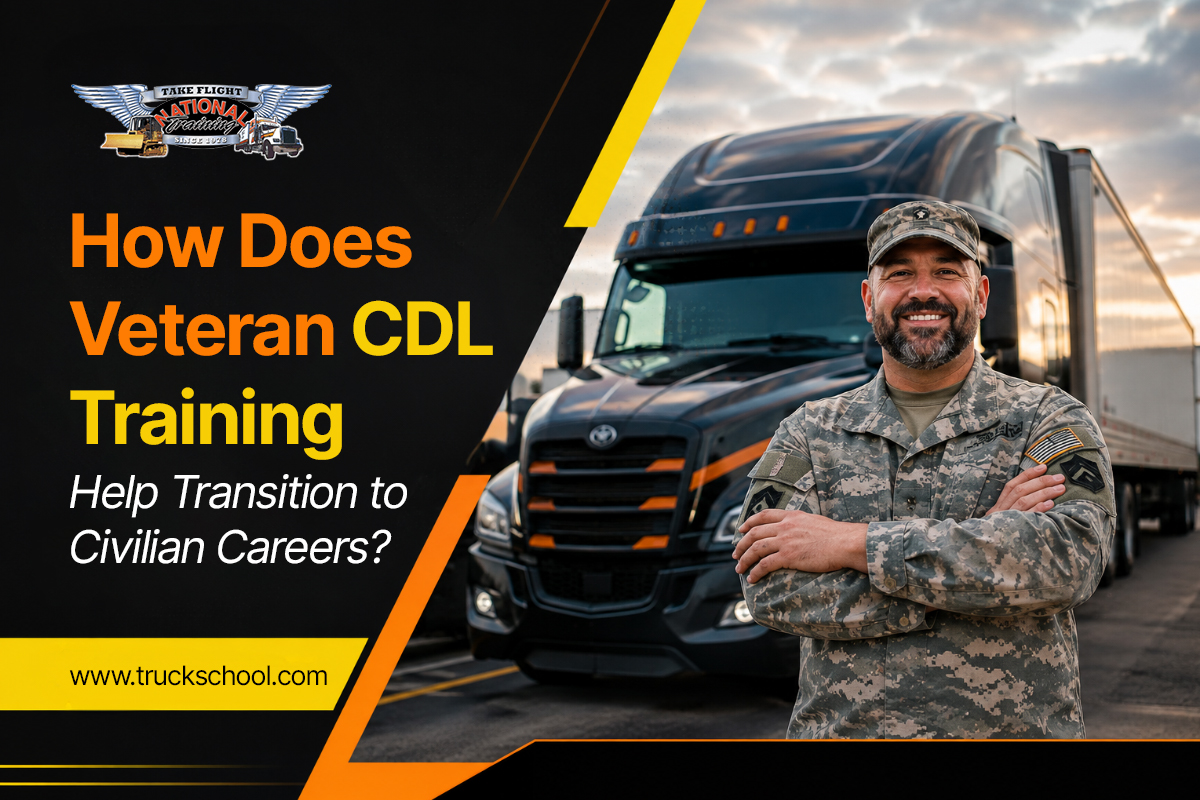
Moving from military service into civilian employment can be a major adjustment. Veterans may have strong practical skills, leadership experience and the ability to work under pressure, but they may still need civilian qualifications before entering a new industry. Commercial truck driving can be a suitable career option for veterans with experience in transport, logistics, vehicle operation or equipment management. CDL training for veterans helps connect those existing abilities with the licensing requirements and working practices of the civilian trucking industry.
Converting Military Experience Into Civilian Skills
Military service can develop many qualities that are useful in commercial driving. Veterans are often familiar with following procedures, checking equipment, planning routes, meeting deadlines and working responsibly without constant supervision.
However, military driving experience is not always directly recognised as a civilian commercial qualification. Civilian truck drivers must follow state licensing requirements, federal safety rules and company procedures. They must also understand commercial vehicle inspections, driving-hour limits and transport documentation.
A structured CDL programme helps veterans adapt their experience to these requirements. Instead of starting from the beginning, they can build on the discipline and practical knowledge gained during military service.
Preparing for CDL Tests and Requirements
Obtaining a commercial driver’s licence involves both written knowledge and practical driving tests. Students need to understand how to inspect a commercial vehicle, control it safely and respond to different road conditions.
Training generally covers pre-trip inspections, basic vehicle control, backing, manoeuvring, road safety and air-brake systems. It also helps students understand the rules that apply specifically to commercial drivers.
National Training combines classroom instruction with simulator sessions and hands-on driving practice. Its Green Cove Springs campus includes a private driving range and practice track, giving students a controlled environment in which to develop their skills.
This practical approach can be useful for veterans who are already comfortable with large vehicles but need experience with civilian tractor-trailers and commercial driving procedures.
Creating a Clear Career Path
One of the main benefits of veteran CDL training is that it provides a clear route into a civilian occupation. Veterans can follow a defined process that includes training, test preparation, licensing and job applications.
This structure can make the career transition feel more manageable. Rather than searching across a wide range of unrelated jobs, veterans can work towards a recognised qualification that is linked to specific roles in transportation and logistics.
Completing a CDL programme does not guarantee that a student will pass the required tests or secure employment. However, professional instruction can help veterans understand what is expected and prepare more effectively for the licensing process.
Moving Into a Civilian Driving Career
CDL training for military veterans can make the transition into civilian employment more focused and practical. It helps former service members apply existing skills, understand civilian regulations and prepare for commercial driving tests.
For veterans interested in transport, logistics and vehicle operation, professional CDL instruction can provide a clear next step. By choosing an established training provider and confirming licensing and benefit requirements, veterans can approach a civilian trucking career with better preparation and a realistic understanding of the industry.
FAQs
Can Veterans Choose Between Class A and Class B CDL Training?
Yes. The right licence depends on the type of commercial vehicle and driving role the veteran wants to pursue.
Is a Medical Examination Required Before Starting a Commercial Driving Career?
Most interstate commercial drivers must meet federal medical standards and obtain a valid Medical Examiner’s Certificate before operating professionally.
