The trucking industry is changing fast in 2026.
Between federal enforcement priorities, English proficiency requirements, and increased scrutiny of non-domiciled CDL holders, one thing is clear:
Professional, compliant training is no longer optional — it’s essential.
At TruckSchool.com, powered by National Training Inc., we believe students deserve the truth about what’s happening in the industry and how to position themselves for long-term success.
Let’s break it down.
🚛 English Proficiency Enforcement Is Real


The Federal Motor Carrier Safety Administration (FMCSA) requires that CDL holders:
- Read and speak English sufficiently
- Understand highway signs and signals
- Communicate with law enforcement
- Complete reports and records
This isn’t new. What is new is stronger enforcement and carrier scrutiny.
Major carriers are tightening hiring standards. Safety departments are verifying compliance. Insurance providers are watching closely.
If a driver cannot effectively communicate, it creates:
- Safety risk
- DOT violation exposure
- Liability issues for carriers
That reality is reshaping hiring practices across the country.
🌎 Non-Domiciled CDL Drivers: Increased Oversight
Non-domiciled CDL holders (drivers who are not U.S. citizens but are legally authorized to work) are allowed under federal rules.
However, increased oversight has raised serious questions industry-wide about:
- Credential verification
- Proper ELDT compliance
- Testing standards
- Fraudulent or low-standard training operations
Carriers are becoming more cautious. They want drivers who trained at legitimate, compliant schools with documented curriculum and qualified instructors.
This is where the difference between a licensed school and a “shortcut operation” becomes very clear.
🎓 Why Training at a Licensed CDL School Matters
Not all CDL schools are equal.
A properly licensed school provides:
1️⃣ State Licensing & Oversight
Licensed institutions are regulated. They must meet curriculum standards, facility standards, and instructor qualification requirements.
2️⃣ Licensed & Qualified Instructors
Professional instructors:
- Understand FMCSA Entry Level Driver Training (ELDT) requirements
- Teach proper safety procedures
- Correct unsafe habits before they become violations
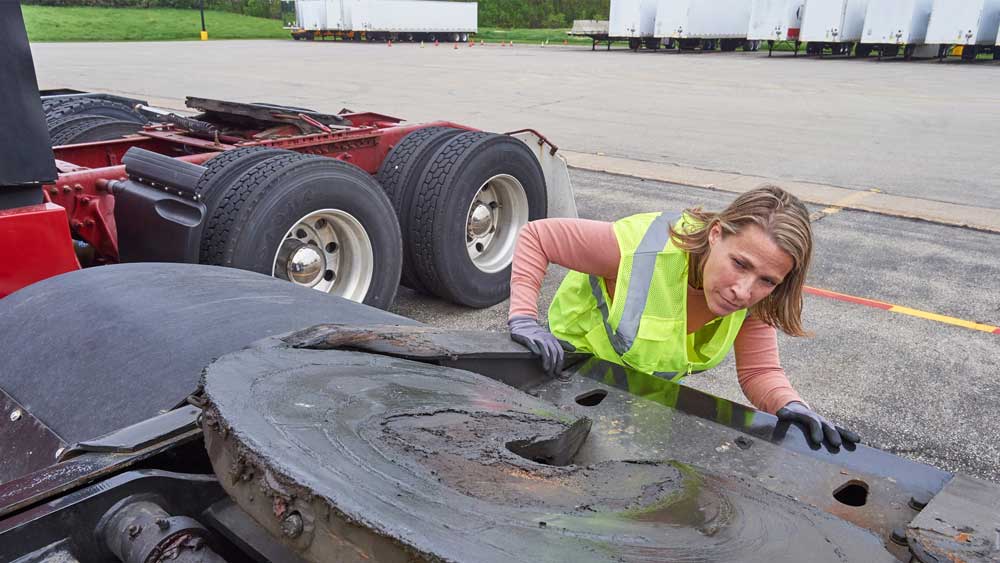
3️⃣ Annual Inspected Training Equipment
Training trucks must be:
- Properly registered
- Maintained
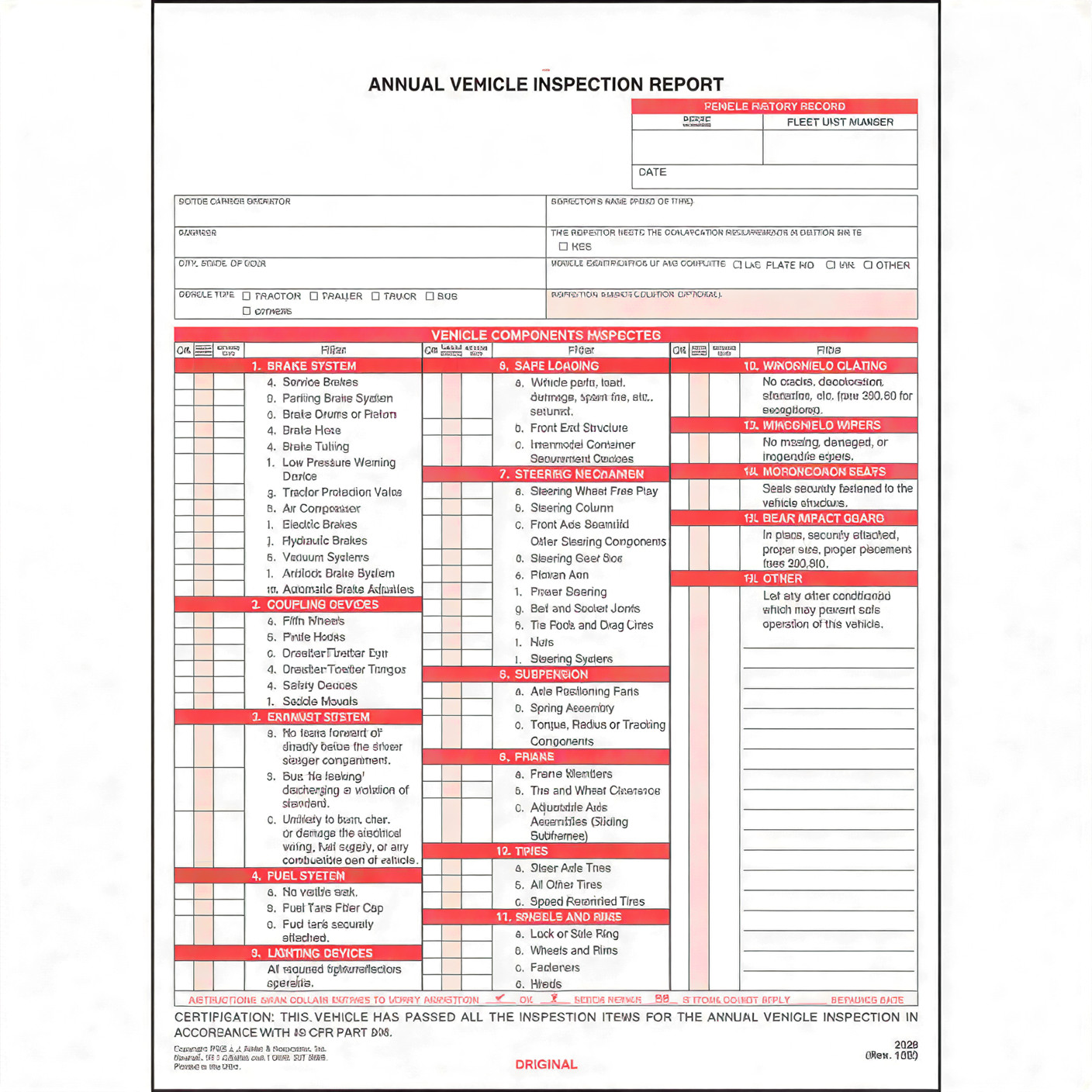
- Up to date on annual inspections
At National Training Inc., our fleet is maintained to DOT standards and kept current on required inspections. Students train on equipment that reflects real-world carrier expectations.
4️⃣ Documented ELDT Compliance
Under federal law, schools must upload training records to the Training Provider Registry (TPR).
If this isn’t done correctly, a student may not be eligible to test.
That’s not a risk worth taking.
📈 What’s Happening in the Trucking Industry Right Now
Here’s the honest assessment:
- Carriers are prioritizing compliance.
- Insurance costs are rising.
- Safety audits are increasing.
- English proficiency is being enforced more consistently.
- “Fast track” or questionable schools are being scrutinized.
The days of cutting corners are ending.
Professional carriers want drivers who:
- Understand regulations
- Can communicate clearly
- Were trained correctly
- Tested legally
- Graduated from reputable institutions
That’s good news for serious students.
🏫 Why Students Choose National Training Inc.
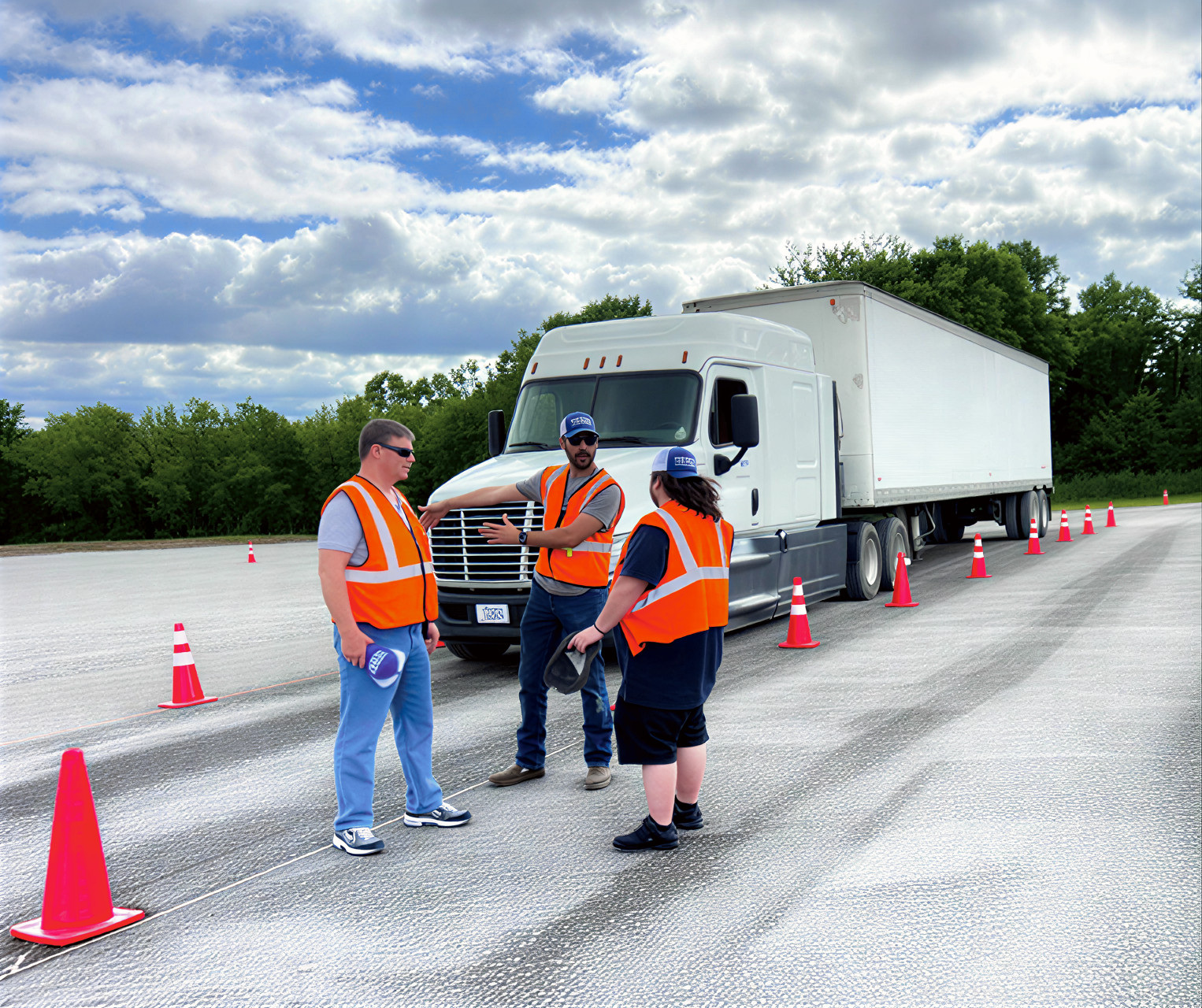
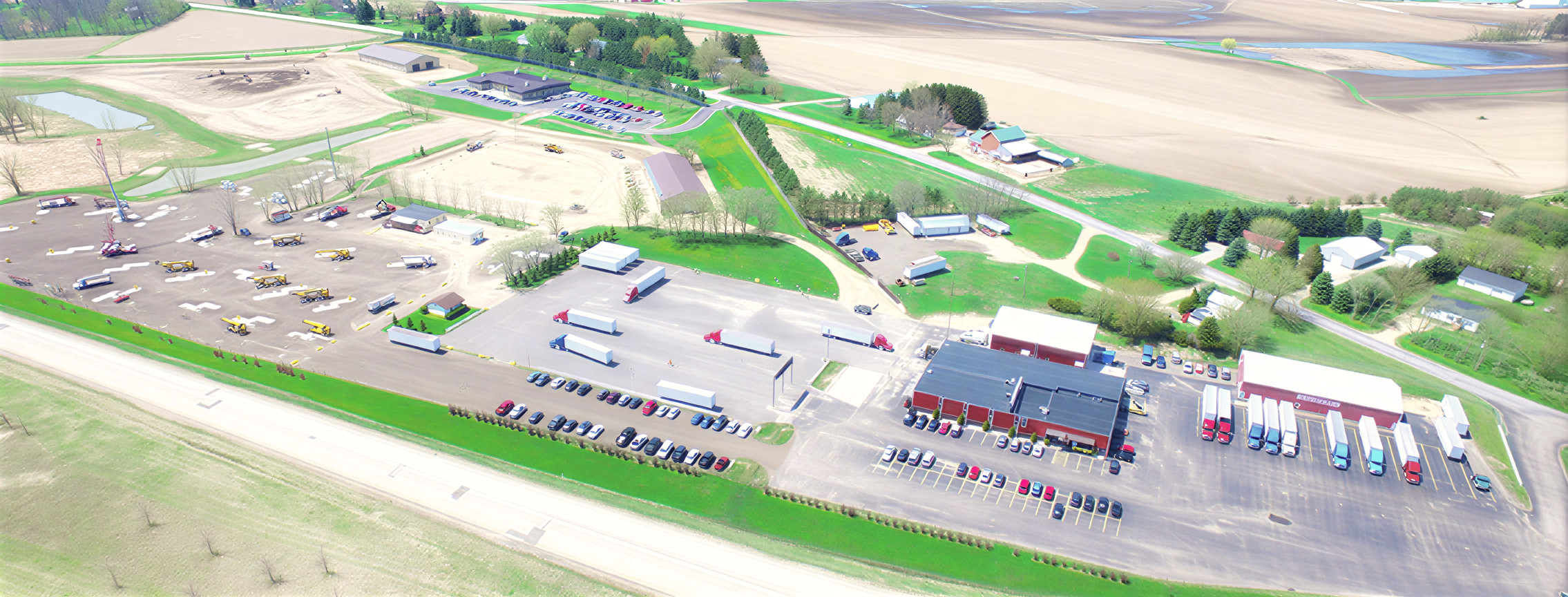
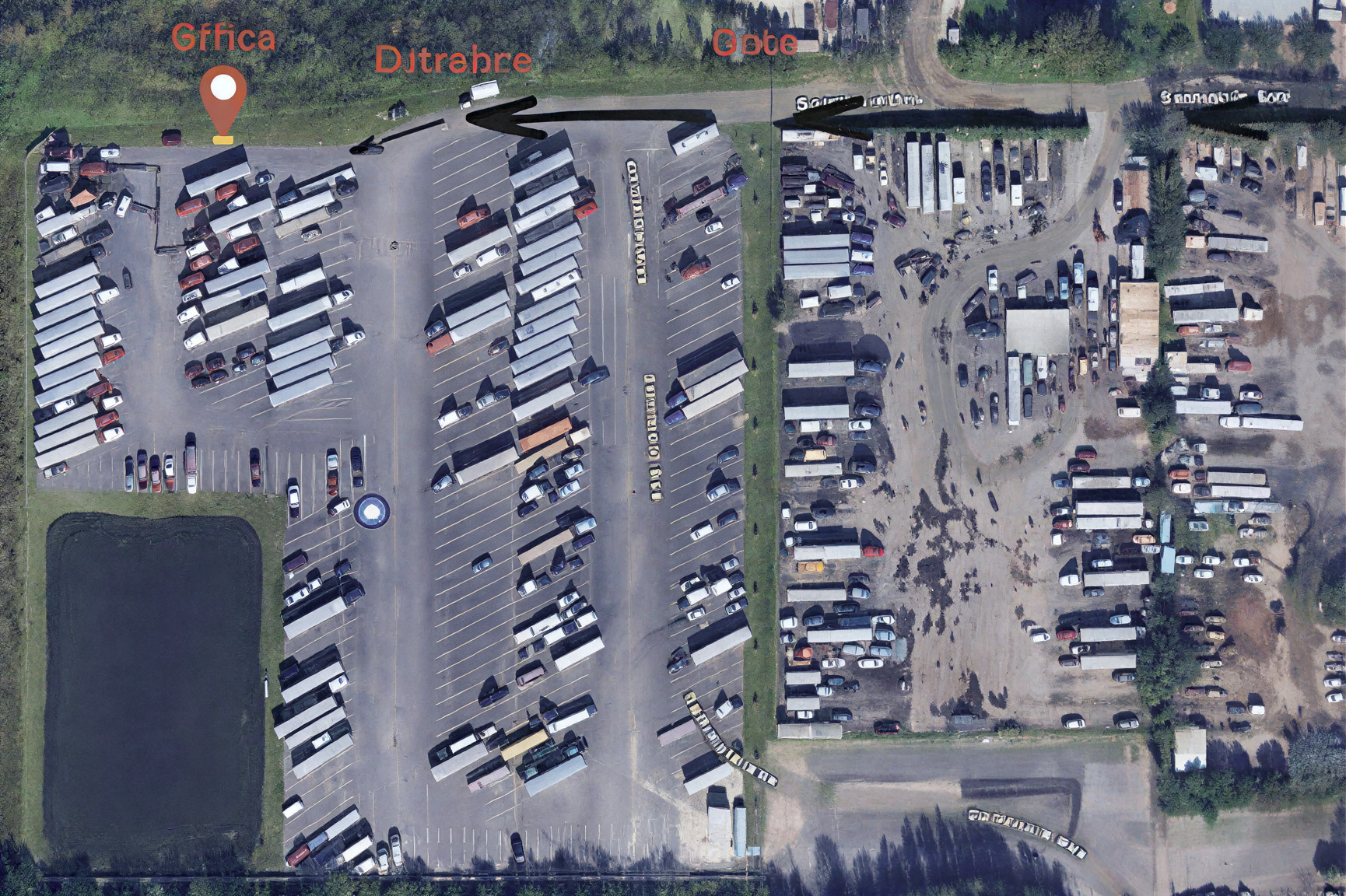
At National Training Inc., we focus on:
- Structured 4-week CDL programs
- Professional instruction
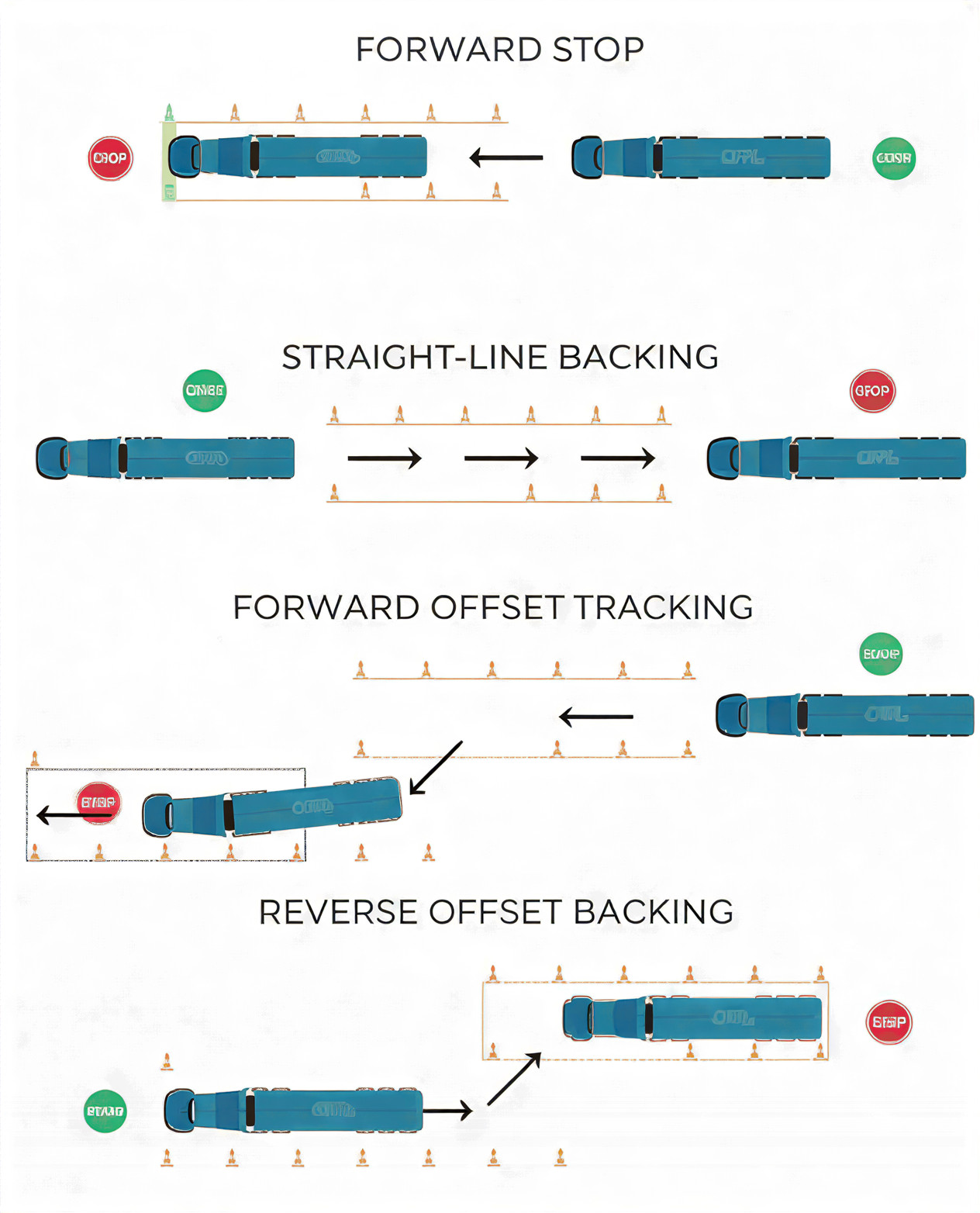
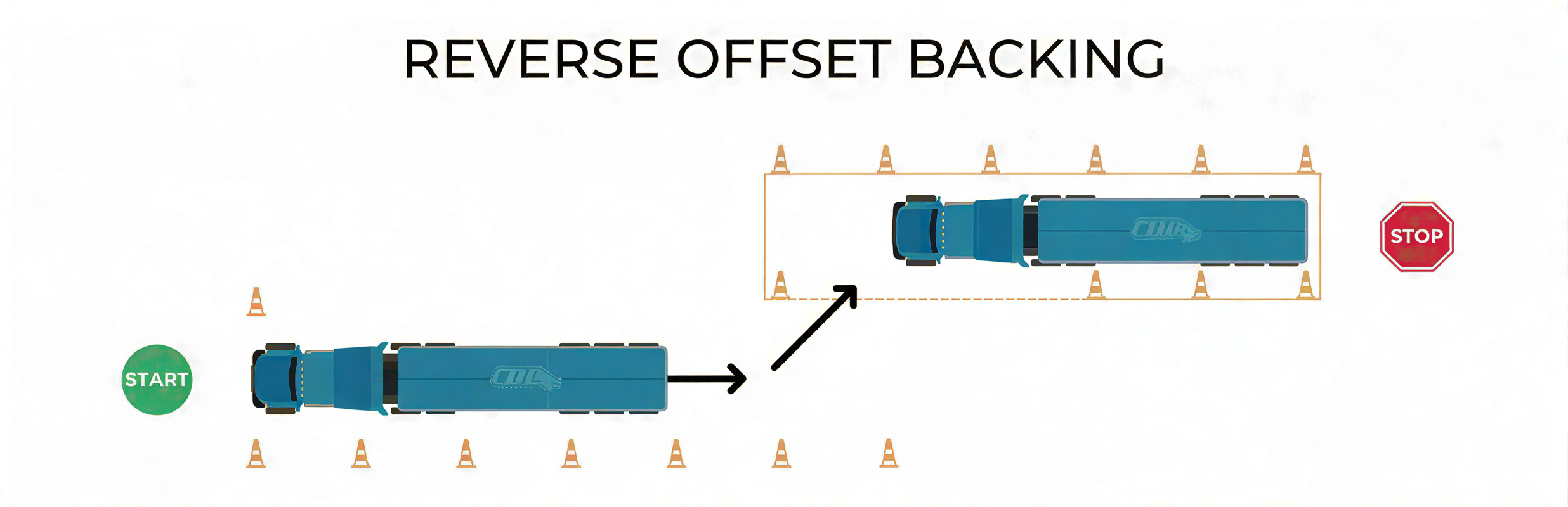
- Real backing range training
- Proper pre-trip inspection training
- Compliance with federal ELDT standards
- State-approved third-party testing
We do it the right way.
No shortcuts.
No questionable practices.
No cutting corners.
Because when you graduate, your CDL represents your reputation.
🔎 The Bottom Line for Future CDL Students
If you’re considering a trucking career, ask yourself:
- Is the school licensed?
- Are instructors properly qualified?
- Are training trucks maintained and inspected?
- Is ELDT uploaded correctly?
- Does the school have a real facility and range?
Your future income depends on the foundation you build.
The industry is tightening standards. That benefits drivers who trained correctly.
Start Your CDL Career the Right Way
Truck driving remains one of the strongest blue-collar career paths in America. Demand remains high for qualified, professional drivers.
But in today’s regulatory environment, where you train matters more than ever.
If you’re serious about earning your CDL in Florida and want professional, compliant training, visit:
👉 TruckSchool.com
Train smart.
Train legally.
Train where compliance and safety come first.
